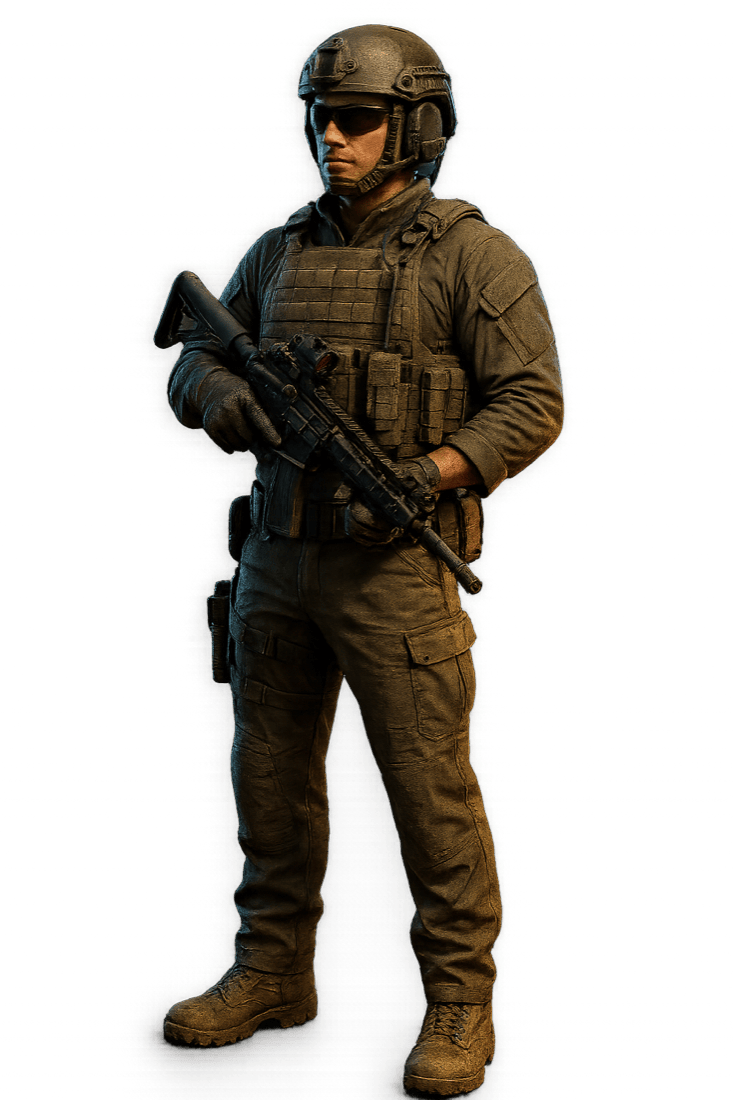
Counter-Strike 2
5 per side; pairs get Wingman
- Rules to learn
- Aim and control
- Talking load
- Session flex
Lobby Harbor compares Counter-Strike 2, Valorant, Dota 2, League of Legends and Rocket League on what settles a group's choice: how many seats a side has, how long a match runs and what each player must learn first.
Free to play, all five. No betting, skin-trading or casino links anywhere on Lobby Harbor.
How the profiles are built →Match length
Bars show the usual range of the main mode; the dot and thin line show the short mode. A white tick marks a published average.
Seats per side
Four games field five a side. Rocket League stops at three in ranked play, and its private matches allow four. Two friends get a proper 2v2 in CS2 Wingman or Rocket League Doubles; in the other three, a pair shares the match with three strangers.
The line-up
Each bar describes a demand on the group. A full bar on rules means more to learn, which a patient group may welcome.
5 per side; pairs get Wingman
3 per side in ranked, 4 in a private match
Head to head
Both play first to 13 rounds on bomb maps. Valorant adds agent abilities; CS2 puts more weight on aim and economy.
Both are 5v5 lane battles. Dota 2 averages 40 minutes and carries more systems; League has fixed roles and ARAM for short nights.
The shortest match of the five against one of the most layered. Count your players first: three or five.
Planner
Pick players, time and leaning. The list reorders; each line says which mode fits and why.
Practice cards
Each game has a 60-minute card split into timed blocks: a warm-up, a learning drill, one or two real matches and a short review. The cards stay inside the game's own tools, such as The Range in Valorant or Demo Hero in Dota 2.
Notes